
Tag: professional packing Yorba Linda

  • ๐Ÿ’ป How to Ship Electronics Safely: Computers, Laptops, and Gaming Systems

    By Postal Annex Yorba Linda | Yorba Linda | 714.996.6342
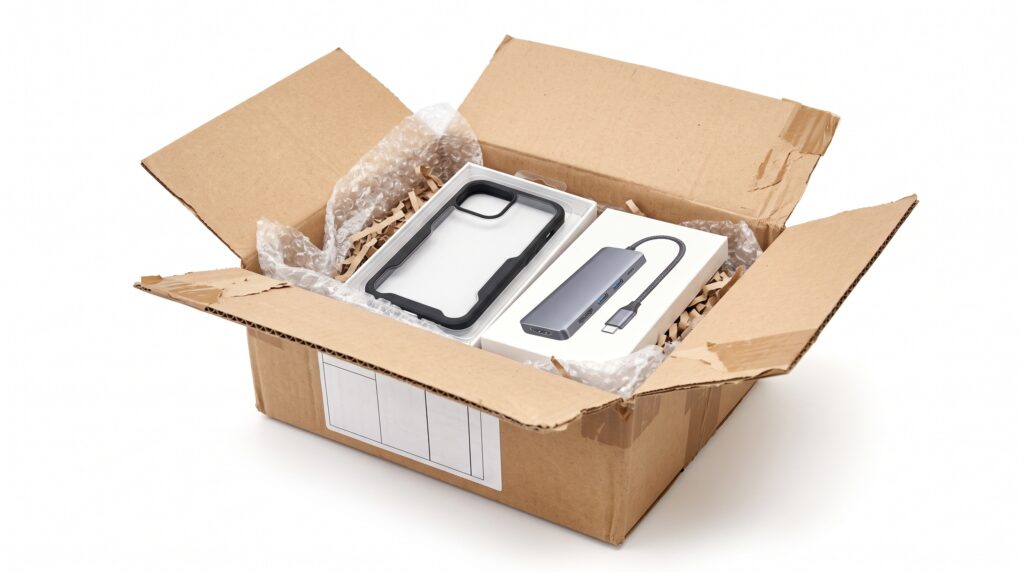
    How to Ship Electronics Safely: Computers, Laptops, and Gaming Systems

    Shipping electronics requires more care than putting a device in a box and adding a little bubble wrap. Computers, laptops, gaming consoles, monitors, cameras, and other electronics can contain sensitive components that may be vulnerable to impacts, vibration, movement, and improper packing. At Postal Annex Yorba Linda, we help customers professionally pack and ship electronics using appropriate boxes and protective materials. If you need to ship a computer, laptop, gaming system, or other electronic device, call 714.996.6342 for professional packing and shipping assistance in Yorba Linda.

    ๐Ÿ“ฆ Why Electronics Need Special Packing

    Electronic devices can appear durable because they’re surrounded by plastic, metal, or other sturdy materials. Inside, however, they may contain circuit boards, connectors, drives, fans, screens, and other components that require protection.

    A package can move through multiple facilities and vehicles before reaching its destination.

    Even when nothing dramatic happens to the box, ordinary transportation can expose the contents to vibration, shifting, stacking, and repeated handling.

    Good electronics packing is designed to limit movement and create protective cushioning between the device and the outside shipping carton.

    The heavier and more valuable the equipment, the more important proper packing becomes.

    ๐Ÿ“ฑ Back Up Important Data Before Shipping

    Before packing a computer or other device containing important files, consider backing up your data.

    Physical protection can reduce shipping risks, but no packing method can guarantee that an electronic device won’t be damaged, delayed, or lost.

    Important documents, photographs, business files, and other valuable data should ideally exist somewhere other than the device you’re shipping.

    Depending on the equipment, that might mean using an external storage device or a secure cloud backup service.

    Also consider signing out of sensitive accounts and using appropriate device security before shipping a computer or mobile electronic device to another person.

    Your data can be more valuable than the hardware itself.

    ๐Ÿท๏ธ Record Model and Serial Numbers

    Before you pack valuable electronics, create a record of exactly what you’re sending.

    Photograph the device and record relevant model numbers and serial numbers.

    Keep purchase receipts, invoices, or other documentation when available.

    This can be useful for your own records and may be important if you need to identify the equipment later.

    You may also want to photograph the condition of the electronics before packing.

    For higher-value equipment, keeping organized records is a simple precaution that can be worthwhile.

    ๐Ÿ”Œ Disconnect Cables and Accessories

    Don’t leave unnecessary accessories loosely connected to a computer or gaming system during shipping.

    Disconnect removable cables, power cords, controllers, external drives, adapters, and other accessories when appropriate.

    Bundle and protect them separately.

    Loose accessories shouldn’t be allowed to strike the primary device inside the shipping box.

    If you’re sending several cables, consider organizing or labeling them so the recipient can easily identify where everything belongs.

    Small accessories can also be placed in separate protective bags or wrapping so they don’t become lost among packing materials.

    ๐Ÿ–ฅ๏ธ Protect Screens Carefully

    Screens are among the most vulnerable components on many electronic devices.

    Laptops, monitors, tablets, televisions, and handheld gaming devices all require careful screen protection.

    Avoid placing hard accessories directly against a screen.

    A power adapter, controller, or cable connector that shifts during transportation could potentially press against or strike the display.

    The device should be packed so the screen is protected from direct pressure and impacts.

    Large monitors and televisions can be especially challenging to ship because their size creates additional packing considerations.

    For expensive or unusually sized displays, professional electronics packing may be the safer approach.

    ๐Ÿ’ป How to Pack a Laptop for Shipping

    Laptops are compact, but that doesn’t mean they should simply be placed in a padded envelope.

    When shipping a laptop, protect the computer from movement and impacts.

    Make sure the laptop is powered down and closed securely. Protect its exterior from scratches, and use adequate cushioning around the device.

    The laptop should then be placed in an appropriately sized, sturdy shipping box with sufficient protective material.

    The computer shouldn’t be able to slide from one side of the carton to the other.

    Power adapters and accessories should be wrapped separately so they can’t strike the laptop.

    Depending on the device and shipping circumstances, additional packaging may be appropriate.

    ๐Ÿ–ฅ๏ธ How to Pack a Desktop Computer

    Desktop computers can be more complicated because they’re larger and heavier than laptops.

    The computer tower should be protected with cushioning appropriate for its weight.

    A heavy computer can compress lightweight packing materials, so the packing method needs to keep the tower securely positioned.

    If you’re shipping a custom gaming PC or another computer with large internal components, additional considerations may apply.

    Large graphics cards, CPU coolers, and other heavy internal components can experience stress if the computer is subjected to significant movement.

    Depending on the system configuration, a knowledgeable computer professional may recommend removing or separately securing certain components before transportation.

    When in doubt, consult the equipment manufacturer or a qualified computer professional before preparing a highly customized system for shipment.

    ๐ŸŽฎ How to Ship a Gaming Console

    Whether you’re shipping a PlayStation, Xbox, Nintendo system, or another gaming console, the basic principle is the same: prevent movement and protect the hardware from impacts.

    Power the console down and disconnect cables and accessories.

    Controllers should be wrapped separately.

    Don’t place a controller, power adapter, or other hard object directly against the console without protection between them.

    If you’re shipping physical games along with the system, keep them organized so they can’t move freely around the device.

    When the package is complete, the console and accessories should remain securely positioned inside the shipping carton.

    ๐Ÿ“ฆ Is the Original Electronics Box Best?

    If you still have the manufacturer’s original packaging and it’s in excellent condition, it may be useful.

    Original packaging often includes inserts designed specifically around the shape of the device.

    However, having the original box doesn’t automatically mean the equipment is ready for shipping.

    Some retail packaging is designed primarily for displaying and protecting a product through its original distribution process. Its condition also matters.

    If the box has been stored for years, exposed to moisture, crushed, torn, or otherwise weakened, it may no longer provide appropriate protection.

    Depending on the item and shipping method, placing the manufacturer’s packaging inside an additional shipping carton may provide another layer of protection.

    ๐Ÿ“ฆ๐Ÿ“ฆ When Should You Double Box Electronics?

    Double boxing electronics can provide additional protection for certain valuable or fragile devices.

    The electronic item is securely packed inside an inner carton. That carton is then cushioned inside a larger outer shipping box.

    The space between the boxes provides an additional buffer.

    However, double boxing only works effectively when both boxes are properly packed.

    If the inner carton moves freely inside the outer box, you’ve simply created another opportunity for the contents to shift.

    The inner package should be cushioned and securely positioned within the outer carton.

    Double boxing can be especially useful for certain computers, gaming systems, delicate electronics, and high-value equipment.

    ๐Ÿซง Use Enough Cushioning

    A few pieces of packing material placed on top of an electronic device aren’t enough.

    The equipment needs protection around vulnerable surfaces and appropriate cushioning between it and the walls of the shipping carton.

    The exact material and amount needed depend on the item’s weight, shape, and fragility.

    Bubble cushioning, foam, packing paper, and specialized protective materials may all have a role depending on the shipment.

    Pay particular attention to corners.

    Corners can receive significant forces when a package is placed down, dropped, bumped, or stacked.

    The finished package should hold the electronics securely without allowing excessive internal movement.

    โ†”๏ธ The Shake Test: Your Electronics Shouldn’t Move Freely

    Before sealing your package, gently check for movement.

    You shouldn’t hear accessories bouncing around or feel the primary device sliding from one side of the carton to the other.

    If significant movement is noticeable, additional packing may be needed.

    Don’t confuse tightly packed with properly packed, however.

    The goal isn’t to force electronics into a box that’s too small. You want adequate cushioning surrounding the equipment while preventing unnecessary movement.

    A properly selected shipping carton makes achieving that balance much easier.

    ๐Ÿ”‹ Pay Attention to Lithium Battery Shipping Rules

    Many modern electronics contain lithium-ion or lithium-metal batteries, and these batteries are subject to transportation rules.

    Laptops, tablets, smartphones, cameras, handheld gaming systems, wireless accessories, and many other devices may contain lithium batteries.

    Shipping requirements can depend on factors including the battery type, battery capacity, whether the battery is installed in equipment, the number of batteries, carrier, transportation method, and destination.

    Damaged, defective, or recalled batteries can be subject to additional restrictions and may not be accepted through ordinary shipping services.

    Don’t guess when shipping battery-powered electronics.

    Ask about current requirements for your particular device and destination before sending it.

    โœˆ๏ธ International Electronics Shipping Requires Extra Planning

    Sending electronics internationally can introduce customs and regulatory considerations in addition to battery rules.

    You may need to provide an accurate description of the item, its value, country of origin, and other information required for customs documentation.

    The destination country may impose taxes, duties, restrictions, or other requirements.

    Certain electronic equipment may also be restricted depending on the destination.

    Before shipping electronics internationally, check the applicable requirements and understand that customs processing can affect delivery timing.

    Accurate documentation is an important part of international shipping.

    ๐Ÿ”Ž Choose Tracking for Valuable Electronics

    Electronics are often expensive, making package tracking particularly useful.

    Tracking allows the sender and recipient to monitor recorded shipment progress and delivery events.

    Keep your tracking information until you know the package has been successfully received.

    Depending on the carrier and service, additional delivery options may also be available.

    For valuable electronics, consider asking about signature-related delivery services when appropriate.

    The right combination of tracking and delivery options can provide additional visibility into an important shipment.

    ๐Ÿ›ก๏ธ Ask About Declared Value and Available Protection

    Don’t assume that a valuable computer automatically has financial protection equal to its purchase price simply because you’ve paid to ship it.

    Carrier terms regarding declared value, liability, and available shipment protection can vary.

    Before shipping expensive electronics, ask what options are available and what limitations or exclusions may apply.

    You should also understand what documentation might be required if you later need to make a claim.

    Receipts, invoices, serial numbers, and photographs may be useful records depending on the circumstances and applicable carrier requirements.

    Understanding these details before shipping is much better than researching them after a problem occurs.

    ๐Ÿฉน Seal the Shipping Carton Securely

    After the electronics are properly protected, the carton needs to stay closed.

    Use quality packing tape intended for shipping.

    Pay particular attention to the top and bottom seams, especially when the package contains a heavy desktop computer or other substantial equipment.

    A heavy device places additional stress on the shipping carton.

    Avoid relying on lightweight household tape or other materials that aren’t designed to secure packages during transportation.

    The strength of your box and the quality of the seal are important parts of the overall packing system.

    โš ๏ธ Common Mistakes When Shipping Electronics

    One common mistake is using a shipping box that’s barely larger than the device.

    Without enough room for appropriate cushioning, impacts can transfer more directly to the electronics.

    Another mistake is using a huge box without properly securing the contents.

    Other problems include leaving accessories loose, failing to protect screens, using damaged cartons, insufficiently securing heavy equipment, and failing to check battery-related shipping requirements.

    Also avoid assuming that a FRAGILE label compensates for poor packing.

    Proper packaging should be your primary protection.

    ๐Ÿ’ฐ Don’t Choose a Shipping Service Based Only on Price

    When you’re sending a $1,000 laptop or an expensive gaming computer, saving a small amount on shipping shouldn’t necessarily be the only consideration.

    Compare delivery speed, tracking, signature options, carrier requirements, available shipment protection, and overall cost.

    The best option depends on the equipment, destination, value, and how quickly it needs to arrive.

    For business equipment, timing may be particularly important because a delayed computer can affect productivity.

    A packing and shipping center can help you review available choices for your specific shipment.

    ๐Ÿ‘จโ€๐Ÿ”ง When Professional Electronics Packing Makes Sense

    Some electronics are straightforward to pack. Others aren’t.

    Professional packing may be especially worthwhile when you’re shipping an expensive laptop, desktop computer, gaming PC, large monitor, gaming console, camera system, business equipment, or another high-value electronic device.

    It can also make sense when you no longer have the original packaging.

    Rather than searching for the right box and purchasing several different packing materials, you can bring the equipment to a professional packing location.

    The item can be evaluated for its size, weight, shape, and protection needs before the shipment is prepared.

    ๐Ÿ“ Get Help Shipping Electronics in Yorba Linda

    Electronics can be expensive to repair and even more expensive to replace, so don’t treat packing as the least important part of the shipment.

    Back up important data, document your equipment, protect screens, separate accessories, use appropriate cushioning, prevent movement, check lithium battery requirements, and select a shipping service that fits your needs.

    And if you’re not confident packing expensive electronics yourself, professional help is available.

    Postal Annex Yorba Linda can assist with packing and shipping computers, laptops, gaming systems, electronics, and other challenging items. Call 714.996.6342 for professional packing and shipping assistance in Yorba Linda.

  • ๐Ÿ’Ž Shipping Valuable Items: Insurance, Tracking, and Packing Tips

    By Postal Annex Yorba Linda | Yorba Linda | 714.996.6342

    Shipping Valuable Items: Insurance, Tracking, and Packing Tips

    Shipping an expensive, valuable, or irreplaceable item can feel very different from mailing an ordinary package. Whether you’re sending jewelry, collectibles, electronics, artwork, antiques, business equipment, or a meaningful family possession, proper packing, tracking, and shipping protection deserve extra attention. At Postal Annex Yorba Linda, we help customers prepare valuable shipments and understand available shipping options before their packages begin the journey. For professional packing and shipping assistance in Yorba Linda, call 714.996.6342.

    ๐Ÿ“ฆ Start With Professional-Quality Packing

    When an item has significant financial or sentimental value, packing shouldn’t be an afterthought.

    A valuable shipment may pass through sorting facilities, conveyor systems, delivery vehicles, and multiple handling points before arriving at its destination. Throughout that journey, it can experience vibration, movement, stacking, and ordinary package handling.

    Your packaging provides the first line of protection.

    A strong shipping carton, appropriate cushioning, careful positioning, and secure sealing can help prepare the item for transportation.

    The correct packing method depends on what you’re shipping. A laptop shouldn’t necessarily be packed the same way as a ceramic collectible, framed artwork, or antique.

    When the item is difficult or expensive to replace, professional packing services can be a worthwhile option.

    ๐Ÿ“ Choose a Box That Fits the Item and the Packing Method

    The shipping box needs to do more than contain your item.

    It should provide enough room for appropriate protective material while remaining strong enough for the shipment’s size and weight.

    A box that’s too tight may leave insufficient room for cushioning around fragile areas. A box that’s unnecessarily large can allow movement unless the extra space is properly filled.

    The condition of the carton is equally important.

    Avoid damaged boxes with crushed corners, tears, moisture damage, weakened seams, or significant creasing.

    For a valuable shipment, starting with a sturdy carton in good condition is a simple way to reduce unnecessary risk.

    ๐Ÿซง Cushion the Item From Every Direction

    Effective packing isn’t just about wrapping the top of an item in bubble cushioning.

    The shipment may encounter forces from multiple directions, so protection should account for the bottom, top, sides, corners, and other vulnerable areas.

    The goal is to create a protective buffer between the item and the outer shipping carton.

    Appropriate packing materials might include bubble cushioning, packing paper, foam, dividers, corner protectors, or other materials selected for the particular shipment.

    The item’s weight matters too.

    A cushioning method that works for a lightweight collectible may not provide enough support for a heavy electronic device or dense decorative object.

    โ†”๏ธ Prevent Movement Inside the Package

    After cushioning, movement is one of the most important things to check.

    A valuable item shouldn’t slide freely from one side of the box to the other.

    Movement inside the carton can allow an object to strike the box walls or collide with other contents.

    If multiple objects are being shipped together, they may need to be individually wrapped and separated so they don’t make direct contact.

    Before sealing the box, gently check the package for noticeable internal movement.

    If you can feel or hear the contents shifting significantly, the packing may need additional attention.

    ๐Ÿ“ฆ๐Ÿ“ฆ Consider Double Boxing Valuable or Fragile Items

    For some shipments, double boxing can provide an additional protective layer.

    The item is first packed securely inside an inner carton. That carton is then placed inside a larger outer box with cushioning between the two boxes.

    The inner box shouldn’t simply rattle around inside the outer carton.

    Instead, cushioning should help keep it securely positioned while providing an additional buffer against impacts.

    Double boxing isn’t necessary for every package, but it can be worth considering for certain fragile electronics, collectibles, delicate equipment, and other valuable objects.

    ๐Ÿ–ผ๏ธ Pay Special Attention to Artwork and Collectibles

    Artwork and collectibles can present unique packing challenges.

    Frames have vulnerable corners. Glass can break. Decorative surfaces may scratch. Sculptures and figurines can have protruding sections that are difficult to protect.

    Collectibles may also have value that’s difficult to replace with money alone.

    An item might be rare, discontinued, signed, inherited, or personally meaningful.

    When packing these objects, consider not only the overall item but also its weakest points.

    Corners, handles, stems, edges, glass surfaces, and projecting pieces may require additional protection.

    If you aren’t sure how to protect an unusual item, having it professionally evaluated before shipping can help you choose an appropriate packing strategy.

    ๐Ÿ’ป Electronics Require Careful Preparation

    Computers, tablets, gaming equipment, cameras, audio equipment, and other electronics may contain sensitive internal components even when the exterior appears durable.

    When possible, suitable original manufacturer packaging can sometimes provide useful protection because it was designed specifically for the product.

    If that packaging is unavailable, the item should be securely cushioned inside an appropriate shipping carton.

    Loose accessories should be prevented from striking the primary device during transit.

    Electronics containing lithium batteries can also be subject to specific shipping requirements and restrictions depending on the battery, equipment, carrier, transportation method, and destination.

    Before shipping electronics with batteries, make sure the shipment complies with applicable carrier requirements.

    ๐Ÿ”Ž Use Tracking for Important Shipments

    When you’re shipping something valuable, knowing where the package is can provide useful visibility throughout the delivery process.

    Package tracking allows you to monitor shipment progress as tracking events are recorded by the carrier.

    Tracking may show when a shipment has been accepted, processed through facilities, moved toward its destination, gone out for delivery, or been delivered.

    However, tracking should be viewed as one part of a broader shipping strategy.

    It doesn’t replace proper packing or shipment protection.

    Instead, tracking helps you follow the package and identify potential delays or delivery issues more quickly.

    Keep your tracking information until the shipment has been successfully received.

    โœ๏ธ Consider Signature Options When Appropriate

    For valuable shipments, simply leaving a package unattended at the destination may not be desirable.

    Depending on the carrier, destination, and service selected, signature confirmation or signature-required delivery options may be available.

    These services can add another step to the delivery process by requiring an eligible recipient to sign for the package.

    Requirements and available options vary, so ask about the choices that apply to your specific shipment.

    For high-value items, a signature option may provide additional delivery documentation and reduce the chance of a package simply being left in an exposed location.

    ๐Ÿ›ก๏ธ Understand Declared Value and Shipping Protection

    One of the most important steps when shipping something expensive is understanding the financial protection associated with the shipment.

    Customers sometimes use terms such as “shipping insurance,” “declared value,” and “coverage” interchangeably. However, the exact meaning, limits, exclusions, documentation requirements, and claims processes can differ by carrier and service.

    Before shipping, ask what protection is available for your package.

    Find out what documentation may be required if a claim becomes necessary and whether limitations apply to the type of item you’re sending.

    Don’t assume that every shipment automatically provides reimbursement equal to the item’s full value.

    Understanding the terms before the package ships is much better than trying to figure them out after a loss or damage issue occurs.

    ๐Ÿงพ Keep Documentation of the Item’s Value

    If you’re shipping something valuable, maintain records that can help document what was sent and its value.

    Depending on the item, useful records may include receipts, invoices, appraisals, order confirmations, serial numbers, photographs, or other proof of ownership and value.

    For used, antique, collectible, or rare items, determining value may be more complicated than looking at the original purchase price.

    Documentation requirements can vary if a claim is filed, so it’s wise to understand what may be needed beforehand.

    Consider photographing the item before packing as part of your personal shipping records.

    ๐Ÿ“ธ Document the Condition Before Shipping

    For particularly important shipments, photographs can be useful records.

    Take clear pictures showing the item’s condition before it’s packed.

    You may also want to document identifying information such as model numbers or serial numbers when relevant.

    Photographs of the packing process can provide an additional record of how the item was prepared.

    This doesn’t guarantee the outcome of any shipping claim, but keeping organized records is a sensible practice when sending something expensive or difficult to replace.

    Store those photographs and supporting documents until the shipment has been successfully delivered and you’re confident there are no issues.

    ๐Ÿบ Be Especially Careful With Antiques and Irreplaceable Items

    An antique may have both monetary and sentimental value.

    Family heirlooms can be even more complicated because no amount of reimbursement can truly replace them.

    Before shipping an irreplaceable item, consider the risks carefully.

    Some objects may require specialized packing, while others may be subject to carrier restrictions, limits, or exclusions.

    If an item is extraordinarily valuable, exceptionally fragile, or truly one of a kind, discuss your shipping options with a knowledgeable professional before deciding how to send it.

    Sometimes the most important shipping decision is made before the box is ever packed.

    ๐ŸŒŽ Domestic and International Shipping Are Different

    Shipping a valuable item internationally can introduce additional considerations.

    Customs documentation, duties, taxes, prohibited or restricted items, carrier rules, destination-country regulations, and longer transportation routes can all affect the shipment.

    Accurate customs documentation is important.

    The description and declared value of goods should be completed appropriately, and customers should understand that destination-country charges may apply.

    Certain valuables may also face additional restrictions depending on where they’re being sent.

    If you’re considering international shipping for a valuable item, check the applicable requirements before packing and paying for transportation.

    ๐Ÿšซ Don’t Advertise What’s Inside the Box

    When preparing a valuable shipment, the outside of the package generally doesn’t need to announce its contents unnecessarily.

    Use appropriate shipping labels and required markings, but avoid adding unnecessary descriptions that advertise that an expensive object is inside.

    The packaging itself should be professional, sturdy, and secure.

    Also remove or cover unrelated old shipping labels and barcodes when reusing an acceptable carton. Conflicting labels can create unnecessary confusion during transportation.

    Clear labeling helps ensure the package information being scanned and read relates to the current shipment.

    ๐Ÿฉน Seal the Carton Properly

    A valuable item can be carefully cushioned and still be poorly prepared if the carton isn’t securely sealed.

    Use quality packing tape intended for shipping.

    Pay particular attention to the top and bottom seams of the box. Heavy shipments may place substantial stress on the bottom of a carton.

    Avoid relying on lightweight household tape, string, or other materials that aren’t intended to keep a shipping carton closed throughout transportation.

    Proper sealing is a relatively simple step, but it’s an important part of the overall package.

    ๐Ÿšš Compare Shipping Options Instead of Choosing on Price Alone

    The least expensive shipping option isn’t automatically the best choice for every valuable item.

    Consider delivery speed, tracking, signature options, destination, shipment protection, carrier restrictions, package dimensions, and cost together.

    A faster service may be useful when you want to minimize transit time.

    A trackable service with an appropriate signature option may be more important for another shipment.

    The right choice depends on what you’re sending and what matters most to you.

    A shipping professional can help you compare available options instead of focusing exclusively on the lowest rate.

    โš ๏ธ Check for Restricted and Prohibited Items

    Not everything can be shipped through every carrier or service.

    Restrictions can apply to batteries, hazardous materials, certain liquids, perishables, medications, alcohol, currency, precious materials, and numerous other categories.

    International destinations can introduce additional restrictions.

    Don’t assume that because an item fits inside a box, it can automatically be shipped using any service.

    When in doubt, ask before packing and shipping.

    Knowing about a restriction beforehand can save considerable time and prevent problems after the package enters the shipping network.

    ๐Ÿ‘จโ€๐Ÿ”ง When Professional Packing Makes Sense

    Professional packing can be especially valuable when the item you’re sending is expensive, fragile, heavy, unusually shaped, sentimental, or difficult to replace.

    Instead of guessing which carton and cushioning materials to use, you can have the item evaluated and packed using materials appropriate for its characteristics.

    Professional packing is also convenient.

    You don’t have to search for the right box, purchase multiple packing products, or wonder whether you’ve used enough cushioning.

    You can bring the item to a packing and shipping center and get help preparing it for transportation while reviewing available shipping choices.

    ๐Ÿ“ Ship Valuable Items With Greater Confidence in Yorba Linda

    Shipping something valuable deserves more planning than simply putting it in a box and hoping for the best.

    Start with proper packing, prevent internal movement, consider additional protection for fragile items, use tracking, evaluate signature options, understand available shipment protection, and keep documentation of the item’s condition and value.

    Most importantly, ask questions before shipping when you’re uncertain about carrier rules or protection options.

    From selecting packing materials to reviewing available shipping options, contact Postal Annex Yorba Linda at 714.996.6342 when you want extra care taken with an important shipment.


  • ๐Ÿ“ฆ How to Pack Fragile Items for Safe Shipping

    By Postal Annex Yorba Linda | Yorba Linda | 714.996.6342

    How to Pack Fragile Items for Safe Shipping

    Shipping something fragile can be stressful. Whether you’re sending glassware, ceramics, electronics, collectibles, artwork, or a sentimental gift, proper packing can make a major difference in how well the item handles the journey. At Postal Annex Yorba Linda, we help customers properly pack and ship fragile items so they’re prepared for the bumps, vibrations, stacking, and handling that can occur during transportation. If you’re unsure how to protect something valuable or breakable, call 714.996.6342 for professional packing and shipping assistance in Yorba Linda.

    ๐Ÿซง Why Proper Packing Matters for Fragile Items

    A shipping box can go through a lot between your hands and its final destination.

    Packages may travel on conveyor systems, move between vehicles and distribution facilities, be stacked alongside other boxes, and experience vibration and movement throughout the trip.

    That’s why simply placing a fragile item inside a box and filling the remaining space with packing material isn’t always enough.

    Effective fragile-item packing has two primary goals: protect the item from direct impacts and prevent excessive movement inside the box.

    The right box, cushioning material, packing technique, and sealing method all work together to provide protection.

    ๐Ÿ“ Start With the Right Size Shipping Box

    Choosing the correct box is one of the most important steps when packing fragile items.

    A box that’s too small may not leave enough room for protective cushioning. A box that’s excessively large can require much more packing material and may allow the contents to shift if empty spaces aren’t filled correctly.

    You want enough room around the item for appropriate cushioning without creating unnecessary empty space.

    The strength and condition of the box matter too.

    Avoid using boxes that are crushed, torn, damp, heavily creased, or structurally weakened. A box that has already been used multiple times may not provide the same protection as a sturdy box in good condition.

    For heavier or especially delicate items, additional protection or a stronger shipping box may be appropriate.

    ๐Ÿซ™ Wrap Each Fragile Item Separately

    If you’re shipping several fragile objects in one package, don’t simply wrap them together as a group.

    Wrap fragile items individually so hard surfaces aren’t directly contacting each other.

    This is particularly important when shipping glasses, mugs, plates, figurines, ceramics, or similar objects.

    Each piece should have its own protective layer.

    Bubble cushioning is commonly used because the air-filled material helps absorb impacts. Other protective materials may also be appropriate depending on the item’s shape, weight, and fragility.

    Pay extra attention to corners, handles, stems, edges, and protruding sections. These areas can be particularly vulnerable during shipping.

    ๐Ÿฅ‚ Give Glassware Extra Protection

    Glassware requires careful packing because impact between pieces can easily cause damage.

    Wrap each glass individually and provide additional protection around vulnerable areas.

    For hollow objects such as glasses, cups, or vases, appropriate cushioning inside the object may help support protection depending on its construction.

    Once each item is wrapped, arrange the pieces so they don’t directly touch each other or the walls of the shipping box.

    Use cushioning material between individual items and around the outer edges of the package.

    When you’re finished, the contents should feel secure rather than loose.

    ๐Ÿฝ๏ธ Pack Plates Differently From Glasses

    Plates, dishes, and similar flat breakables deserve special attention.

    Each plate should be individually protected before being placed into the shipping container.

    Depending on the shipment, plates may benefit from being positioned vertically rather than simply stacked flat, with cushioning between individual pieces and around the group.

    The goal is to prevent the plates from striking each other while minimizing movement inside the box.

    China, antique dishes, and sentimental dinnerware can be particularly challenging because replacing a damaged piece may be difficult or impossible.

    If you’re shipping valuable or irreplaceable dishes, professional packing services can remove much of the guesswork.

    ๐Ÿ’ป Electronics Need More Than a Box and Some Bubble Wrap

    Electronics can look sturdy on the outside while containing sensitive components inside.

    Computers, monitors, gaming equipment, cameras, audio equipment, and other electronics should be packed with adequate cushioning and protected from movement.

    When available and still in good condition, original manufacturer packaging can sometimes be useful because it was designed around the specific product.

    If the original packaging isn’t available, you’ll need a suitable shipping container and enough protective material to keep the device securely positioned.

    Remove loose accessories when appropriate and protect them separately so they can’t strike the main device during transit.

    For electronics containing batteries, additional carrier and shipping restrictions may apply. It’s important to verify the requirements for the particular item and destination before shipping.

    ๐Ÿ–ผ๏ธ Protect Corners and Edges

    Corners and edges are often some of the most vulnerable parts of a fragile shipment.

    Picture frames, mirrors, artwork, signs, and other flat items may be especially susceptible to corner or edge damage.

    Appropriate corner protection can help absorb impact before it reaches the item itself.

    The surface may also need protection against scratches or abrasion.

    Packing these items becomes more complicated when they’re oversized, unusually shaped, or especially valuable.

    A professional packing specialist can help determine the appropriate box, cushioning, and protective approach for the particular item.

    ๐Ÿ“ฆ Consider Double Boxing for Extra Protection

    For certain fragile or valuable shipments, double boxing can provide an additional layer of protection.

    With this approach, the item is first securely packed inside an inner box. That box is then placed inside a larger outer shipping box with additional cushioning separating the two.

    The inner package shouldn’t be able to move freely inside the outer box.

    This creates another protective zone between the fragile item and outside impacts.

    Double boxing isn’t necessary for every shipment, but it can be useful for certain electronics, collectibles, delicate equipment, and other items that warrant additional protection.

    โ†”๏ธ Don’t Leave Empty Space Inside the Box

    One of the biggest mistakes in packing is allowing an item to move around inside the package.

    After wrapping and positioning your fragile item, fill appropriate empty areas with cushioning material.

    When the package is handled, the contents should remain securely positioned.

    However, packing material should be used thoughtfully. Simply stuffing a box full of material doesn’t automatically mean the item is properly protected.

    The goal is to create cushioning around the item while preventing movement and avoiding direct contact with the box walls when appropriate.

    Before sealing the package, gently check whether the contents shift noticeably.

    If they do, more attention to the internal packing may be needed.

    ๐Ÿงฐ Use Quality Packing Materials

    Saving a few dollars on packing materials may not be worthwhile if you’re shipping something expensive, sentimental, or difficult to replace.

    Depending on the item, useful shipping and packing materials can include sturdy corrugated boxes, bubble cushioning, packing paper, foam products, corner protectors, dividers, and quality packing tape.

    Different items require different materials.

    A heavy object may need a different cushioning approach than a lightweight glass ornament. A framed picture requires different protection than a laptop.

    That’s why the contents of the package should determine the packing method rather than using the exact same technique for everything you ship.

    ๐Ÿฉน Seal the Shipping Box Securely

    Once the contents are properly cushioned, the box needs to be securely closed.

    Use packing tape designed for shipping rather than relying on household tapes that may not provide adequate strength.

    Pay attention to the seams and openings of the carton.

    The goal is to keep the box securely closed throughout handling and transportation.

    If the package is particularly heavy, make sure the bottom of the carton is adequately secured before loading the contents.

    A perfectly cushioned item still isn’t properly packed if the shipping carton can open during transportation.

    โš–๏ธ Heavy and Fragile Can Be a Difficult Combination

    Heavy fragile items require special consideration because their own weight creates additional forces when the package moves or experiences an impact.

    For example, a heavy ceramic object may compress soft cushioning materials more easily than a lightweight ornament.

    Heavy objects can also place more stress on the bottom and sides of a shipping carton.

    Choosing appropriate materials and a sufficiently strong box becomes particularly important.

    If you’re shipping a heavy and fragile item, professional packing can be especially valuable because the packing approach should account for both weight and fragility.

    ๐Ÿบ Take Extra Care With Antiques and Collectibles

    Antiques, collectibles, heirlooms, and sentimental objects aren’t always replaceable.

    Even if an item has a monetary value, that number may not reflect its personal importance.

    Unusual shapes can make these objects particularly difficult to pack. Delicate projections, aged materials, decorative surfaces, and previous repairs can all affect how an item should be protected.

    Before shipping something irreplaceable, consider whether you’re comfortable packing it yourself.

    Having an experienced packing professional evaluate the object may help identify vulnerabilities you hadn’t considered.

    ๐Ÿšซ Common Fragile-Item Packing Mistakes

    Many shipping problems begin with simple packing mistakes.

    Common issues include using a box that’s too weak, leaving too much empty space, failing to wrap items individually, allowing fragile pieces to touch, using inadequate cushioning, failing to protect corners, or not sealing the carton securely.

    Another mistake is assuming that writing FRAGILE on a package replaces proper packing.

    A fragile label can communicate useful information, but the contents should still be packed to withstand the normal handling and movement associated with shipping.

    Your first line of protection is the packaging itself.

    ๐Ÿšš Choose the Right Shipping Service

    Packing is only part of the shipping process.

    You’ll also need to consider delivery speed, destination, tracking, carrier requirements, declared value or available coverage options, and any restrictions that apply to the item you’re sending.

    The best shipping choice can vary depending on what’s inside the box and where it’s going.

    Someone sending a birthday gift across the state may have different priorities than a business shipping an expensive piece of equipment across the country.

    Working with a packing and shipping center can make it easier to compare available options and choose a service appropriate for your shipment.

    ๐Ÿ‘จโ€๐Ÿ”ง When Should You Use Professional Packing Services?

    Many everyday items can be successfully packed at home.

    But there are situations where professional packing services are worth considering.

    If an item is highly fragile, expensive, sentimental, unusually shaped, oversized, heavy, difficult to replace, or simply challenging to pack, getting professional assistance can save time and uncertainty.

    Professional packers have access to different box sizes and packing materials and can select a packing approach based on the individual item.

    It can also be convenient when you don’t want to purchase full quantities of several different packing materials just to send one package.

    Bring the item in, have it packed appropriately, and then review your shipping choices in one place.

    ๐ŸŽ Pack Gifts to Arrive Looking Like Gifts

    A gift’s journey doesn’t end when you hand the package over for shipping.

    You want the recipient to open the box and find the gift in the same condition it was in when you sent it.

    If the gift itself is wrapped decoratively, remember that decorative wrapping isn’t a substitute for shipping protection.

    The gift still needs appropriate cushioning and a sturdy outer shipping container.

    For birthdays, anniversaries, graduations, holidays, weddings, and other special occasions, taking a little extra care with packaging can help make the recipient’s unboxing experience much better.

    ๐Ÿ“ Make Fragile Shipping Easier in Yorba Linda

    Packing a fragile shipment properly takes more than finding an old box in the garage and adding a little bubble wrap.

    The right shipping box, proper cushioning, individual wrapping, movement control, strong sealing, and appropriate shipping service all contribute to protecting your shipment.

    If you’re uncertain about any of those steps, you don’t have to figure everything out on your own.

    When you want your package protected for the journey ahead, contact Postal Annex Yorba Linda at 714.996.6342 for convenient packing and shipping help.